
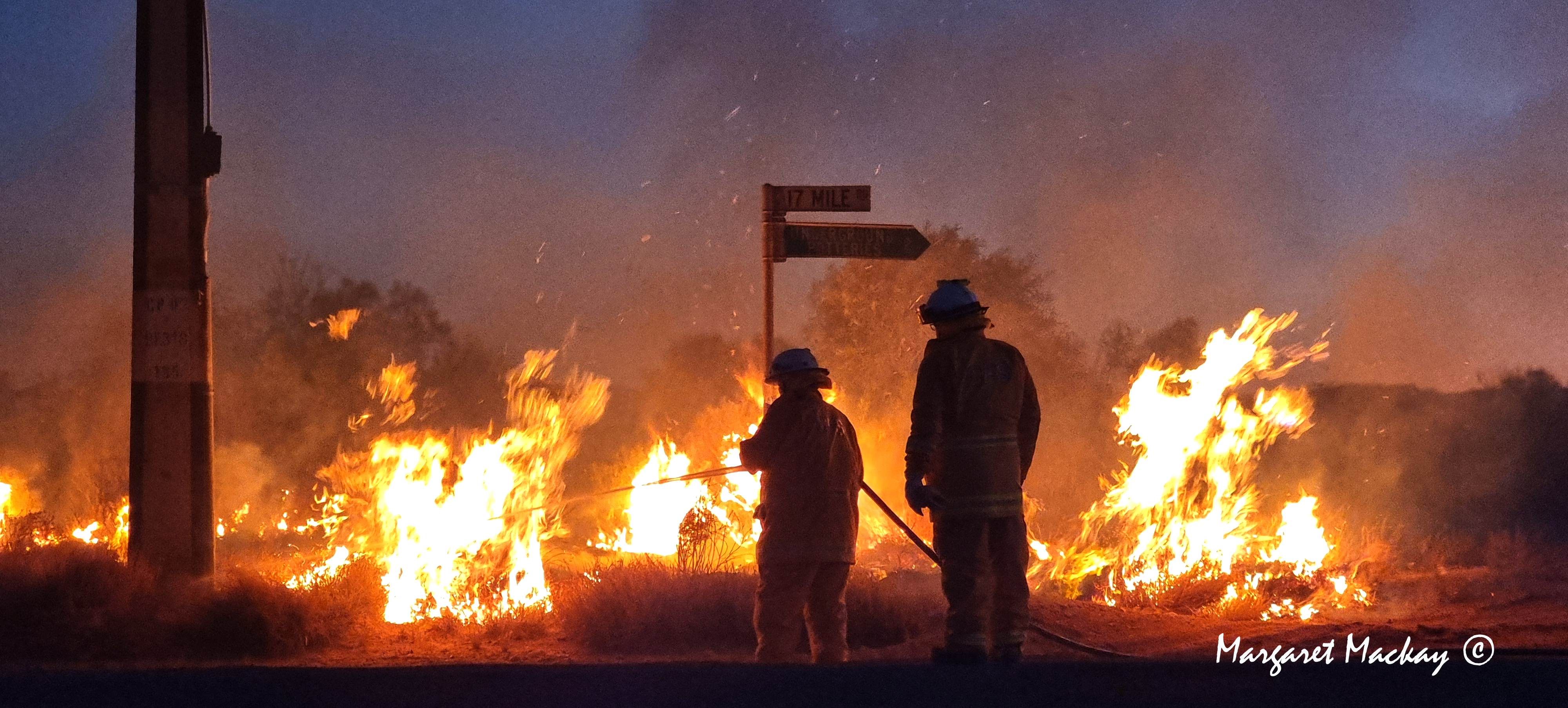
FIVE South Australian Cabinet ministers received a crash course in buffel grass management, including an overview of the problem last week at a round table conference.
In 2015 South Australia became the first jurisdiction in Australia to declare buffel grass under its weed management legislation, however very little has ever been done to enforce the legislation despite Strategic Management Plans being in place:. The problem is now out of control, with buffel grass being a serious fire concern across the state. https://cdn.environment.sa.gov.au/landscape/docs/aw/sa_buffel_grass_strategic_plan_2019-2024.pdf
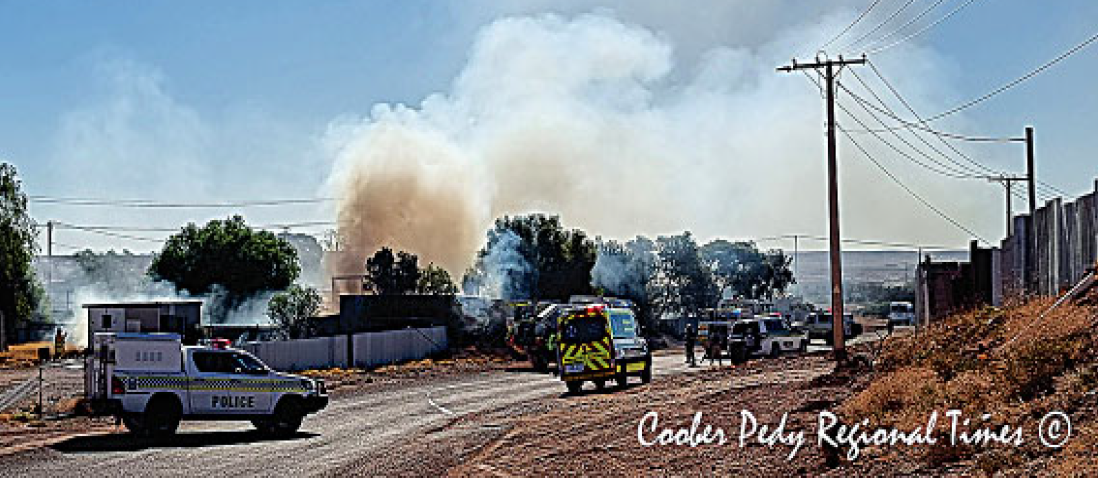
For example, at Coober Pedy in the Far North, on Wednesday the 11th October and Sunday 15th October 2023 CFS crews completed 2 critical burn-off procedures where extreme buffel grass fuel-loading was found behind Council Work’s Dept and the Desalination Plant!
CFS Volunteers at Coober Pedy have been active in buffel grass control for a good number of years. Crews work to reduce fuel loads inside the town area, particularly towards summer when infestations are out of control.
Former CFS Captain at Coober Pedy Matthew Corner said, “While hazzard reduction burns are a crucial component of our fire management strategy, prioritising buffel grass control would lessen the load on volunteers and reduce the risk of damage to property and lives.”
“Eradicating buffel grass in the community and along roadsides, would minimise the impact on defenseless wildlife, and reduce future wildfires, often created by dry lightning strikes during the summer,” said the former CFS Captain.
The buffel grass meeting in Adelaide was convened by the Deputy Premier and Minister for Climate, Environment and Water, Dr Susan Close MP, following a request from the Alinytjara Wilurara Landscape Board, a leader in buffel grass management in South Australia.
“Buffel Grass is widely recognised as one of the biggest threats to biodiversity in South Australia’s arid and semi-arid rangelands,” Dr Close says. “It also poses a significant threat to human safety from fire, and it can degrade entire landscapes and destroy important habitats for native flora and fauna.
At the recent roundtable, I was pleased to see such a broad alliance of stakeholders working collaboratively to tackle this significant threat to people and our natural environment,” said Dr. Close
The roundtable is a significant change from the usual process of developing policy, which typically involves substantial preparatory work from departmental staff before ministers become involved.
“This flips the script,” says Kim Krebs General Manager Alinytjara Wilurara Landscape Board. “It’s encouraging to see this level of commitment from the Deputy Premier, as well as her cabinet colleagues. It’s clear that managing a transformer weed like buffel grass requires the efforts of multiple agencies, landholding authorities and stakeholders, so to have the chance to start at the top and build a coordinated statewide strategy is very exciting.”
The Deputy Premier was joined by the Hon. Tom Koutsantonis MP, Minister for both Infrastructure and Transport, and Energy and Mining; the Hon. Clare Scriven MLC, Minister for Primary Industries and Regional Development; the Hon. Joe Szakacs MP, Minister for Local Government: and the Hon. Nick Champion MP, Minister for Planning.
Senior executives from each department also attended, along with representatives from stakeholder groups including the Local Government Association, Primary Producers SA, Country Fire Service, Outback Communities Authority, SA Water, Infrastructure SA, Livestock SA and the Nature Alliance.
The ministers received a crash course in buffel grass management, including an overview of the problem and current management actions, followed by a comprehensive explanation of the ecological destructiveness of buffel grass from buffel grass ecologist Ellen Ryan-Colton, who drew from her years of research into the weed to outline the devastating impacts on the structure and composition of plant and animal communities and alteration of fire regimes.
Presentations from the Department of Primary Industries and Regions (PIRSA) and Department for Energy and Mining (DEM) outlined some of the potential future risks, along with options for policy and strategy. Tim Hall from NPWS spoke from the heart about his personal regrets about not addressing the growing buffel problem many years ago in a previous role in the Northern Territory, telling the assembled guests there was an opportunity now to prevent further disaster in the rangelands.
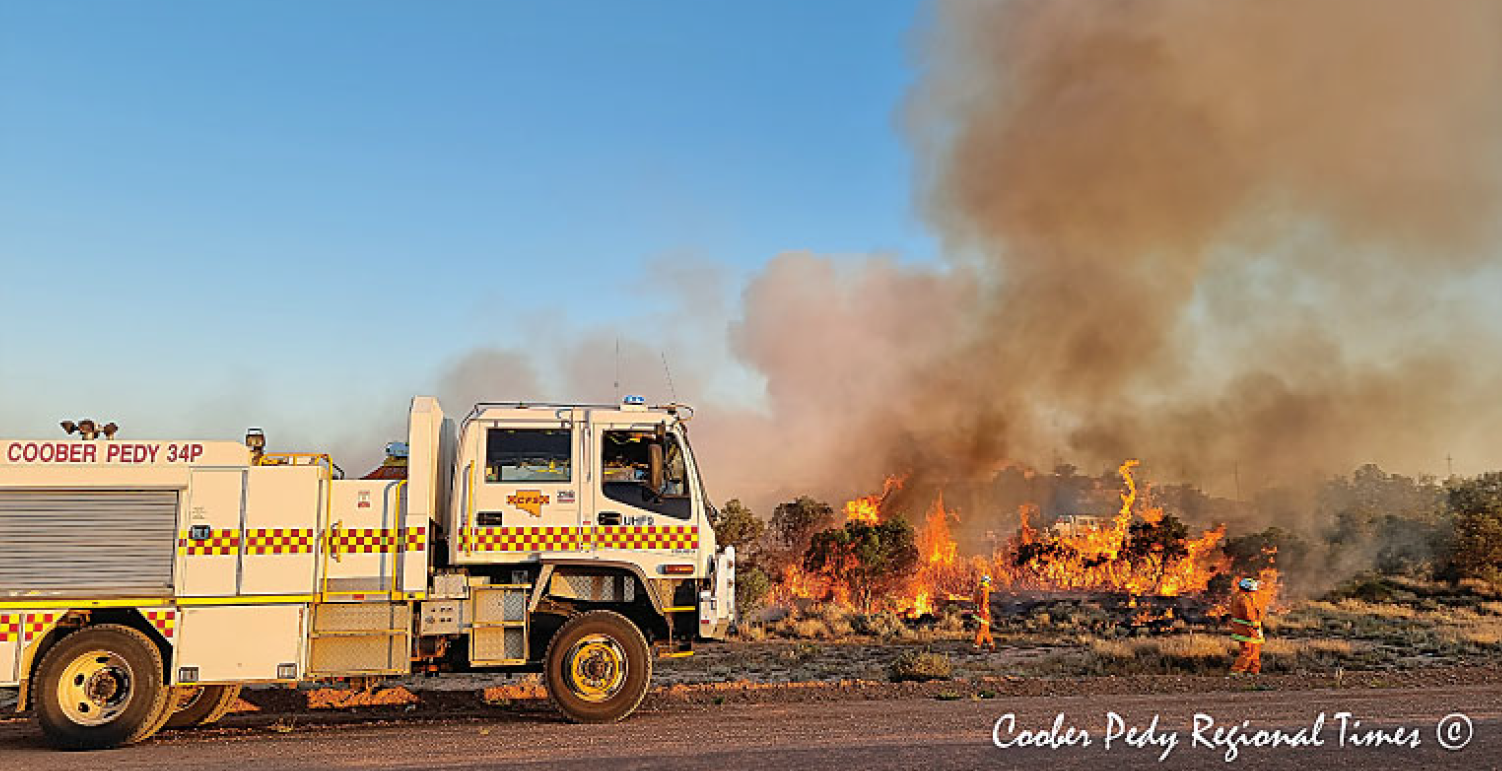
A compelling presentation from Georgie Cornish from the CFS showed how buffel is already increasing the burden on CFS volunteers, and further spread could be calamitous for a growing number of communities as the weed heads south. While buffel grass is currently concentrated in the arid interior, it is spreading south and could colonise the majority of South Australia if left unchecked.
A theme that recurred throughout the presentations was that roads and rail are the biggest vectors for the spread of buffel grass, and everyone in the room left with a greater appreciation that the state faces a significantly exacerbated fire risk if buffel is left to spread unchecked.
Following the ministerial briefing, staffers and stakeholders engaged in a workshop to develop solutions, discussing discussed potential changes to policy, strategic partnerships, and the funding required to respond to the threat.
AW’s Buffel Grass State Coordinator, Troy Bowman, who was instrumental in planning and delivering the roundtable, was pleased with the turnout and the positive reception.
“It’s highly unusual to have so many cabinet ministers in attendance at a weed control strategy meeting,” Troy says. “It’s encouraging to see because it shows that the government is listening and prepared to act on this rapidly expanding crisis.”
The ideas generated during the workshop will be analysed and refined into a formal proposal to be presented to the Deputy Premier early in the new year.
Discover more from Coober Pedy Regional Times
Subscribe to get the latest posts sent to your email.
Categories: COOBER PEDY News & Events, FAR NORTH News & Events, GENERAL News, PASTORIAL
 Coober Pedy Regional Times
Pouring boiling water on the plant should kill it at the roots. kind regards Janice Gough
The low rainfall in Coober is probably advantageous for long term control as the seedling recruitment would be much slower unless there’s other available moisture. Now that we’ve had some decent rain it’s a perfect time to spot-spray any small infestations or maintain the edges on the larger patches to stop them from expanding.
Thanks Josh, you are spot on. Problem here is, there is no training, no support, no interest, no incentives and the buffel grass is choking our private properties.